Small scissor lifts are a practical solution for work that requires elevated access where space is limited. Their compact design makes them suitable for indoor environments such as warehouses , where maneuverability and easy positioning are important.
Compared with full-size aerial equipment, compact scissor lifts are generally easier to transport between work areas. This makes them useful for contractors and other professionals who need a stable platform for routine tasks at height. Depending on the application, they can support work such as inspection in areas where access space is restricted.
Selecting the appropriate model requires more than looking at overall machine size. Buyers should consider the required access height, lifting capacity , platform dimensions, and available operating space. Matching these specifications with the actual job requirements can help ensure that the selected scissor lift provides practical access without adding unnecessary equipment capacity.
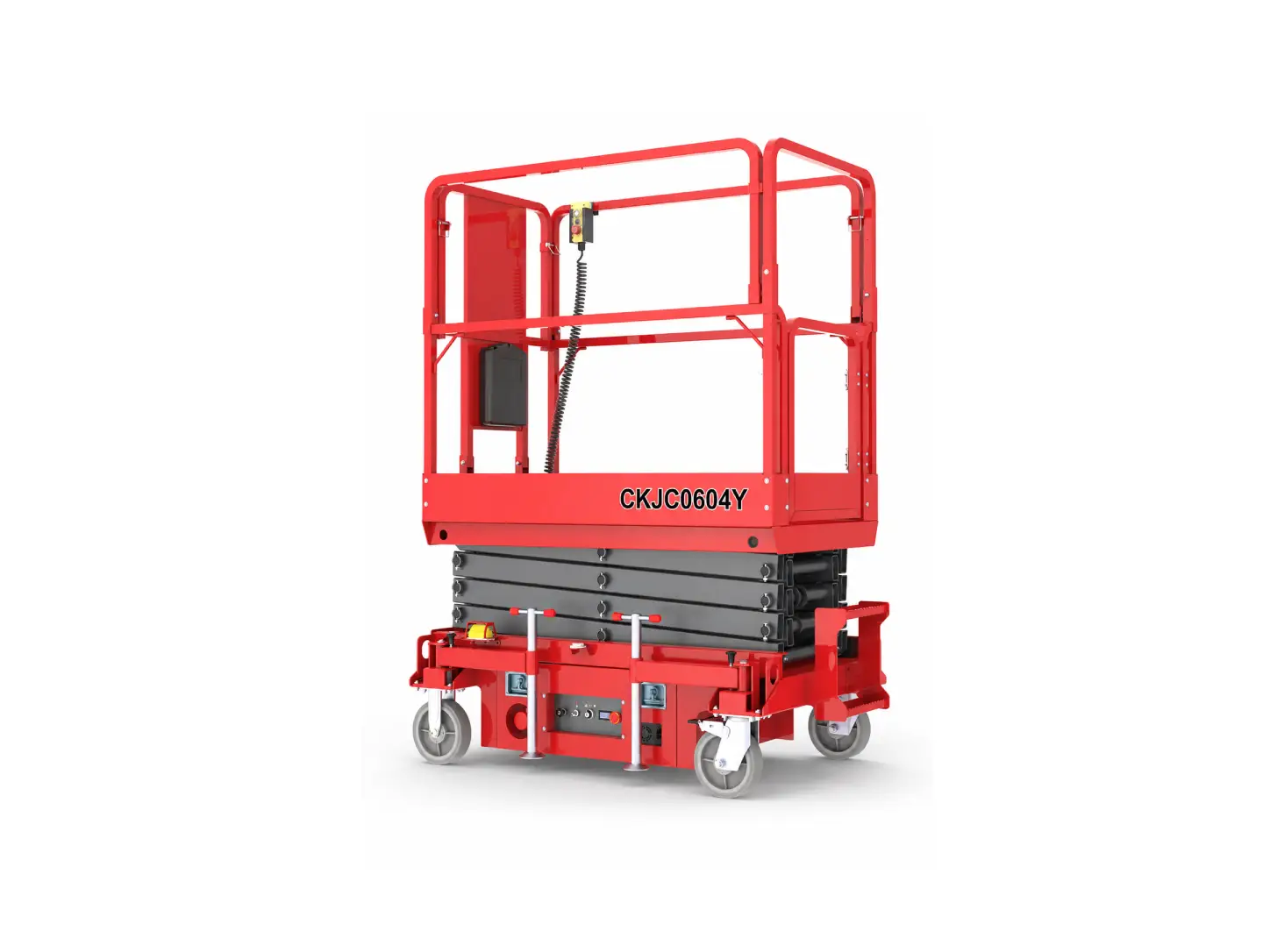
Finding the Ideal Scissor Lift for Your Project
Selecting the correct scissor platform depends on the particular requirements of the job. Start by determining the working height needed for the project, then consider the capacity of the equipment that operators will carry or use on the platform. The available space at the operating location should also be reviewed before choosing a model.
Floor conditions are another important consideration. Many scissor lifts are intended for stable surfaces, particularly when used for indoor maintenance work. Check the ground surface , doorway dimensions, aisle width, and available turning space to make sure the equipment can be positioned and operated as required.
Platform capacity should match the combined weight of workers , tools, and materials. At the same time, buyers should avoid selecting equipment based only on the maximum specification. A model that closely matches the actual load may be more practical for the intended application.
As a final step, check the applicable site-specific codes and review the manufacturer's operating instructions. Proper selection should take into account both the equipment specifications and the conditions in which the scissor lift will actually be used.
Electric Scissor Lifts: Performance for Modern Worksites
Electric platform machines are widely used for installation and other elevated work where low noise is important. Compared with engine-driven equipment, electric scissor lifts do not produce tailpipe emissions during operation, making them well suited to many commercial environments.
The electric drive system also provides practical advantages when equipment needs to move between different work areas. In warehouses , compact electric models can be easier to operate around aisles . Lower operating noise can also be useful when work takes place near employees, customers, or other ongoing activities.
Electric scissor platforms are available in different lifting ranges . This allows buyers to select equipment according to the access requirement instead of using a larger machine for every application. For routine overhead service, a compact electric scissor lift can provide a convenient way to raise workers and equipment to the required position.
When comparing electric models, look beyond the power source itself. lifting capacity , overall dimensions , battery requirements, and the intended operating environment should all be considered. The right combination of specifications will depend on the worksite and the frequency of use.
Indoor Scissor Platforms : Practical Performance
Slab scissor lifts are designed mainly for indoor applications where workers need vertical access from a firm floor. Their vertical lifting structure provides a straightforward working platform for jobs such as maintenance in warehouses .
Unlike equipment developed for rough or uneven terrain, slab scissor lifts are generally used on prepared surfaces. This makes them a practical choice for facilities where the working area already provides suitable floor conditions. Their space-efficient footprint can also make positioning easier in buildings where floor space is limited.
Another advantage is the ability to provide a working platform at different elevated positions . Instead of repeatedly using ladders or manually repositioning equipment, operators can use the platform to reach overhead areas for routine tasks. Depending on the configuration, the platform can provide space for workers, tools, and job materials within the specified load limits.
Before purchasing a slab scissor lift, compare the rated capacity with the actual application. Buyers should also verify indoor operating requirements and make sure the machine can pass through the available aisles. These details are particularly important for projects involving established buildings with restricted access points.
Practical Uses of Compact Scissor Platforms in Confined Spaces
Small scissor platforms are useful when elevated work must be completed in areas where larger access equipment is difficult to use. Their space-saving dimensions allow them to maneuver through narrow areas while providing a raised platform for workers.
In retail buildings , space around storage racks, shelving, columns, machinery, and pedestrian routes can be limited. A compact scissor lift can make it easier to position the platform close to the work area without occupying as much floor space as a larger aerial machine.
These compact scissor lifts can be used for a range of maintenance tasks, including overhead lighting work, electrical service, equipment inspection, facility upkeep, and other applications that require temporary elevated access. Their usefulness comes from the combination of vertical lifting rather than from maximum lifting height alone.
Mobility is particularly important in confined working areas. Equipment with a smaller overall size can reduce the space required for movement and positioning. This can help limit interference with workers when the job takes place in an active facility.
However, compact does not mean that every model will suit every application. Before selecting a small scissor lift, check the working height , along with doorway width, aisle clearance, floor condition, and the type of work being performed. Matching the equipment to the site is essential for practical and safe operation.
Understanding Scissor Lift Capacities and Safety
Knowing the safe weight of your mobile lift is absolutely essential for worker safety and stopping incidents. Do not exceed the indicated limit, as too much load can result in a malfunction and severe injury. Make sure to check the lift's label before every use to validate its existing rating. Furthermore, proper training on safe operating procedures, such as weight placement, is required for every operators before operating a vertical lift.
Electric Scissor Lift Maintenance: Practical Tips for Longer Service Life
Regular maintenance plays an important role in keeping an electric scissor lift in reliable condition. A practical maintenance routine should begin with routine visual examinations. Look over the deck , tires , cables, hoses, and other visible components for wear . Any unusual noise should be investigated before the machine is returned to normal operation.
Battery care is another essential part of electric scissor lift maintenance. Observe the equipment maker's recommendations for recharging and storage. Charging practices, battery condition, and the operating environment can all affect the availability of the machine during daily work. Keeping the battery area clean and checking for visible signs of damage can also form part of a routine inspection.
Mechanical components should be checked according to the maintenance schedule specified for the equipment. Component servicing, where required, can help limit unnecessary wear on parts designed to move during operation. Maintenance records should also be kept so that inspections, repairs, battery service, and other work can be tracked over time.
Scheduled professional servicing provides another layer of maintenance. A qualified technician can examine components that may not be obvious during a routine visual check and identify developing problems before they result in unexpected downtime . The exact inspection and service interval should always follow the manufacturer's recommendations for the specific model.
Scissor Lift Types Compared: How to Select the Right Model
Scissor lifts are available in several configurations , and the right choice depends on where and how the machine will be used. Common categories include Electric Slab Scissor Lifts electrically driven models, air-powered systems, and gas-powered units. Each type has different characteristics that may make it more suitable for certain applications.
Electric scissor lifts are commonly selected for building-based work where limited emissions are important. They can be practical for warehouses, factories, commercial buildings, and maintenance areas where workers need powered access without the exhaust associated with combustion engines.
Air-powered lifting equipment uses an air-based power system and can be considered for applications where a suitable air supply is available. The practical suitability of this type depends on the work environment, required lifting performance, and the available infrastructure at the site.
Engine-driven scissor lifts are designed for applications where higher power or outdoor operating capability is required. They may be used on outdoor worksites , depending on the equipment design. Because these machines use combustion engines, exhaust and noise should be considered when evaluating the working environment.
There is no single configuration that suits every project. Buyers should compare access height, platform capacity, machine dimensions, power source, surface conditions, and indoor or outdoor use before making a selection. Matching the equipment to the application is more useful than choosing a model based on a single feature.
Why Small Scissor Lifts Are Used More on Job Sites
Small scissor lifts have become a practical option for projects where workers need elevated access but cannot easily use full-size equipment. Their compact dimensions make them easier to position in areas where floor space, access routes, or working clearance are limited.
On construction sites , compact access equipment can be useful for electrical installation . Workers may need to reach ceilings, lighting systems, ductwork, fixtures, or other elevated components while moving between different work areas. A smaller machine can be easier to transport and position when the project includes multiple rooms or restricted access points.
Small scissor lifts are also used beyond construction. commercial service contractors may use compact models for routine inspection, repairs, lighting work, and overhead installation. Their usefulness comes from the combination of a raised platform and a relatively small machine footprint.
Transport and relocation can also influence equipment selection. A compact scissor lift may require less space when moving between projects, which can be useful for contractors who regularly work at different locations. However, buyers should still compare machine dimensions with the requirements of each job rather than assuming that a smaller machine will always be sufficient.
As job sites become more focused on efficient use of available space, compact lifting equipment can provide a practical alternative for applications that do not require the size or capacity of larger aerial machines.
Safety First: How to Operate a Scissor Lift Properly
Safe scissor lift operation begins before the machine is switched on. Operators should inspect the equipment before each use and look for visible damage, unusual wear, or other conditions that may affect normal performance. Controls, emergency functions, guardrails, platform access points, and other relevant components should be checked according to the equipment manufacturer's procedures.
The platform should never be overloaded . The total working load should include workers , tools, and materials carried on the platform. Operators should also use the personal protective equipment required for the specific workplace and follow applicable site rules.
Before moving or raising the lift, check the surrounding area for obstructions. Ground and floor conditions should be suitable for the specific machine, and the equipment should only be operated within the limits stated by the manufacturer. Special attention is required around electrical lines , where maintaining the required clearance is essential.
Operator training is another important part of safe equipment use. Workers should understand the machine's controls, operating limits, emergency procedures, and site-specific hazards before using the lift without supervision.
Important safety practices include:
- Check the scissor lift before every shift .
- Adhere to the manufacturer's operating instructions.
- Observe the required clearance from power lines .
- Ensure that operators have received the appropriate equipment familiarization.
- Operate within the specified working limits.
Electric vs. Gas Scissor Lifts: Understanding the Cost Difference
The cost of a scissor lift extends beyond the initial purchase price. When comparing battery-powered and engine-driven models, businesses should consider the expenses associated with fuel, routine maintenance, repairs, battery service, and the operating environment.
Gas-powered scissor lifts use fuel and engine components that require regular service. Depending on the application, operating expenses may include engine maintenance as well as repairs associated with the combustion system. These costs can vary according to usage, operating conditions, and maintenance practices.
Electric scissor lifts have a different cost structure. Instead of fuel, the equipment relies on electrical charging and battery systems. Ongoing costs can therefore include battery maintenance, along with eventual battery replacement depending on the type of battery, usage pattern, and service life.
Maintenance requirements should also be considered in the comparison. Electric equipment does not use a conventional combustion engine, so some engine-related maintenance tasks do not apply. Gas models, however, may be more suitable for particular outdoor or demanding applications where their operating characteristics match the job requirements.
The most useful way to compare the two options is to calculate the long-term equipment cost. Purchase price, expected utilization, energy source, maintenance schedule, battery requirements, and the intended working environment should all be included. A machine with a higher initial price may have a different long-term cost profile from a lower-priced alternative, so the decision should be based on the full operating picture.
Slab Scissor Lifts: Designed for Level Working Surfaces
Smooth-surface scissor lifts are commonly associated with applications where elevated access is required on firm floors. Their vertical lifting design makes them suitable for many indoor tasks, including installation work in warehouses, factories, commercial buildings, and other facilities with prepared floor surfaces.
The operating surface is an important part of equipment selection. Before using a slab scissor lift, check whether the floor meets the conditions specified by the manufacturer. Surface quality, slope, floor strength, and the presence of obstacles can all affect equipment operation.
One of the practical features of slab scissor lifts is their vertical movement. The platform rises directly above the machine's base, which can make the equipment useful where overhead access is needed without requiring extensive horizontal outreach. This configuration can also be advantageous in areas where working space is limited but sufficient floor clearance is available for the machine.
Platform dimensions and rated capacity should be matched with the task. Workers may need space for installation materials , but the combined load must remain within the specified platform capacity. Working height should also be selected according to the actual access requirement rather than maximum height alone.
For indoor projects, slab scissor lifts can provide a practical way to reach elevated areas while keeping the equipment footprint relatively controlled. However, the final selection should always take into account the operating environment, machine specifications, and requirements of the specific application.